


You found the car of your dreams. The price looks almost too good. Then you spot two words in the listing: branded title. If you’re hunting for the branded title meaning, you’ve landed in the right place.
This guide explains the branded title meaning in plain English. You’ll see the main types, how each one affects insurance and value, and what to check before you pay. We’ll also cover Texas, Colorado, and look-alike terms such as bonded titles.
Quick Answer
The branded title meaning is simple. A branded title is a vehicle title that a state DMV has permanently marked to show serious past trouble. Think total loss, flood damage, a lemon-law buyback, or odometer problems. In short, the branded title meaning is “this car has a history you need to know about.”
What Does a Branded Title Mean?
Start with the basics. A title is the legal proof that you own a vehicle. A brand is an official label a state adds to that title when something major happened to the car. The branded title meaning, then, boils down to a permanent warning label.
Here’s what surprises people. The branded title meaning stretches well beyond salvage. It’s an umbrella term. Salvage, rebuilt, flood, junk, lemon, and odometer brands all fall under it. A clean title sits at the opposite end, with no major flags on record.
Why It’s Called a “Brand”
The word comes from ranching. A rancher burns a mark into a cow. The mark stays for life. Title brands work the same way. Once a DMV applies one, it follows the vehicle’s VIN from owner to owner and from state to state. That permanence sits at the center of the branded title meaning.
What Does a Branded Title Look Like?
Picture a normal title with one extra word. Somewhere on the certificate, or in the DMV record behind it, you’ll find a label such as “Salvage,” “Rebuilt,” or “Flood.” Legal dictionaries describe it as a title designated salvage, junk, rebuilt, flood-damaged, or a similar term.
Looks vary by state. Texas issues salvage and nonrepairable titles that stand apart from its standard blue title. Colorado uses a “Rebuilt from Salvage” brand. Ask to see the actual title before you talk price. Spotting the branded title meaning on paper takes about ten seconds.
How a Vehicle Title Becomes Branded
Brands never appear by accident. Something specific triggers each one:
- Total loss: An insurer decides repair costs are too high compared with the car’s value.
- Flood or fire damage: Severe water or fire damage leads to a brand, often alongside a salvage or nonrepairable title.
- Lemon-law buyback: A manufacturer repurchases a car after repeated failed repairs.
- Odometer problems: Tampering or a faulty reading triggers a mileage-related brand.
Here’s a quick example. Imagine a sedan worth $12,000 sitting in a flooded parking lot after a storm. The insurer decides repairs would cost more than the car is worth. It declares a total loss. The state then issues a salvage title with a flood notation. That sedan carries a brand for life.
State law fills in the details. In Texas, the DMV says a vehicle needs a salvage or nonrepairable title before any transfer when damage exceeds its value in the national reference guide. Once you understand these triggers, the branded title meaning clicks into place.
7 Common Types of Branded Titles
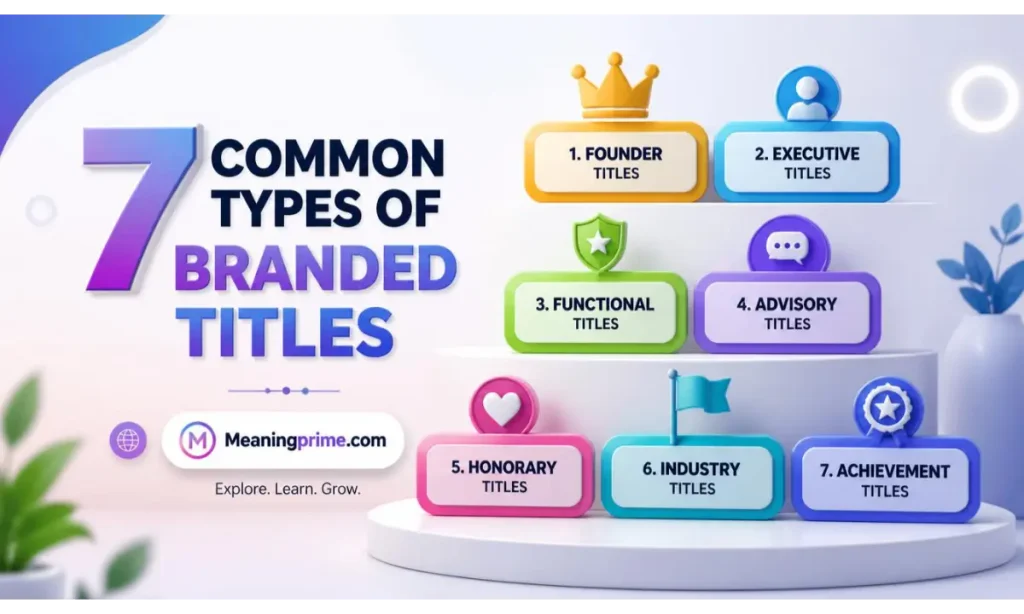
Names vary by state. The core ideas don’t. Here’s how the branded title meaning plays out across seven common brands.
1. Salvage Title
This is the most common brand. A car earns it after a total loss. It usually can’t be registered or driven on public roads until someone repairs it and it passes inspection. In Texas, a salvage vehicle may not be operated on public roads at all. Salvage is the loudest piece of the branded title meaning.
2. Rebuilt Title Meaning
A rebuilt title means a former salvage vehicle was repaired and passed a state inspection. Some states call it reconstructed, restored, or “rebuilt salvage.” The car is street legal again. The brand stays, though. That’s the rebuilt title meaning in one line. It’s also a major piece of the broader branded title meaning.
3. Flood Title
Water ruins more than carpets. It corrodes wiring, electronics, and metal parts, sometimes months later. Many states add a flood notation to the title. Flood brands add a nasty wrinkle to the branded title meaning, because damage can stay hidden for a long time.
4. Junk Title
A junk or nonrepairable title means the vehicle can’t return to the road. It’s meant for parts or scrap. In Texas, such a vehicle will always carry the nonrepairable brand.
5. Lemon Title
A manufacturer buys back a car after repeated failed repairs for the same defect. This usually happens during the warranty period. The brand gives future buyers a heads-up about a recurring problem.
6. Odometer Brands and NAM Title Meaning
NAM stands for “not actual mileage.” The brand warns you that the odometer reading can’t be trusted. Tampering, a broken odometer, or a replacement can cause it. Mileage drives value, so the NAM title meaning matters more than it looks. It’s one more layer of the branded title meaning.
7. Fire and Other Damage Brands
Some states also brand vehicles for fire damage and similar events. Names differ from state to state. When you see an unfamiliar label, ask the seller what it means. Then check it against your state DMV’s own definition.
| Brand | What it signals | Road-ready? |
|---|---|---|
| Salvage | Total loss | Not until repaired and inspected |
| Rebuilt | Salvage car repaired and inspected | Yes, with the brand attached |
| Flood | Water damage | Depends on state and repair status |
| Junk / Nonrepairable | Parts or scrap only | No |
| Lemon | Manufacturer buyback | Typically yes |
| Odometer / NAM | Mileage unreliable | Typically yes |
Branded Title vs. Salvage Title: Are They the Same?
No. Salvage is one brand. Branded is the whole family. Every salvage title is a branded title. Not every branded title is a salvage title. That distinction sits at the heart of the branded title meaning.
People also search for the “branded title salvage meaning.” Here’s the answer. When a title is branded “salvage,” the vehicle was declared a total loss. It isn’t road legal until someone repairs it and it passes inspection.
Branded vs. Salvage vs. Rebuilt vs. Clean
| Title type | What it signals | Road legal? | Value impact |
|---|---|---|---|
| Clean | No major brand on record | Yes | Baseline market value |
| Branded (umbrella) | At least one serious past event | Depends on the brand | Usually lower |
| Salvage | Total loss | Not until repaired and inspected | Lowest |
| Rebuilt | Salvage car repaired and inspected | Yes, with the brand attached | Lower than clean |
Branded Title Meaning in Texas and Other States
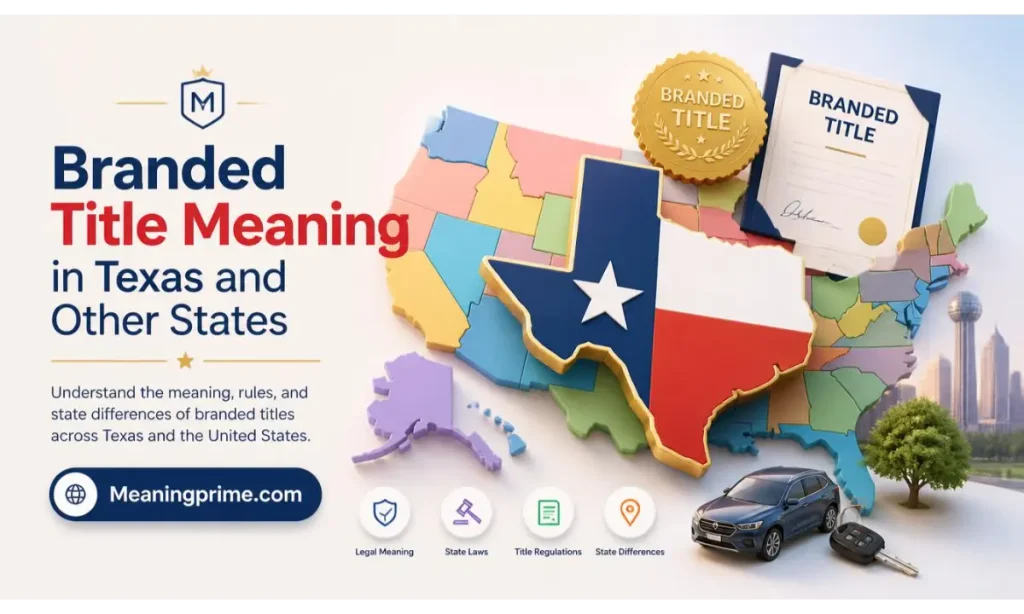
Every state writes its own rules. A brand in one state may carry a different label in another. The federal NMVTIS database stores brands permanently, yet each state defines them differently. So the branded title meaning shifts a little at every border.
Texas
Texas law is firm. When damage exceeds a vehicle’s value in the national reference guide, the owner must get a salvage or nonrepairable title before selling. A flood-damaged vehicle carries a “Flood Damage” notation. After repairs and an inspection, the title becomes “Rebuilt Salvage.” The TxDMV salvage page explains the details. The Texas branded title meaning ties tightly to these total-loss rules.
Colorado
Colorado adds paperwork. A repaired salvage vehicle gets a “Rebuilt from Salvage” brand. The owner submits a statement of facts, keeps receipts for major parts, stamps the words into the vehicle, and passes a certified VIN inspection. Owners and dealers must also disclose every brand before a sale or trade, using the state’s Branded Title Disclosure Statement. That makes the Colorado branded title meaning very transparent for buyers.
Rules change. Confirm current details with your state DMV before you buy or sell.
Branded Title vs. Bonded Title
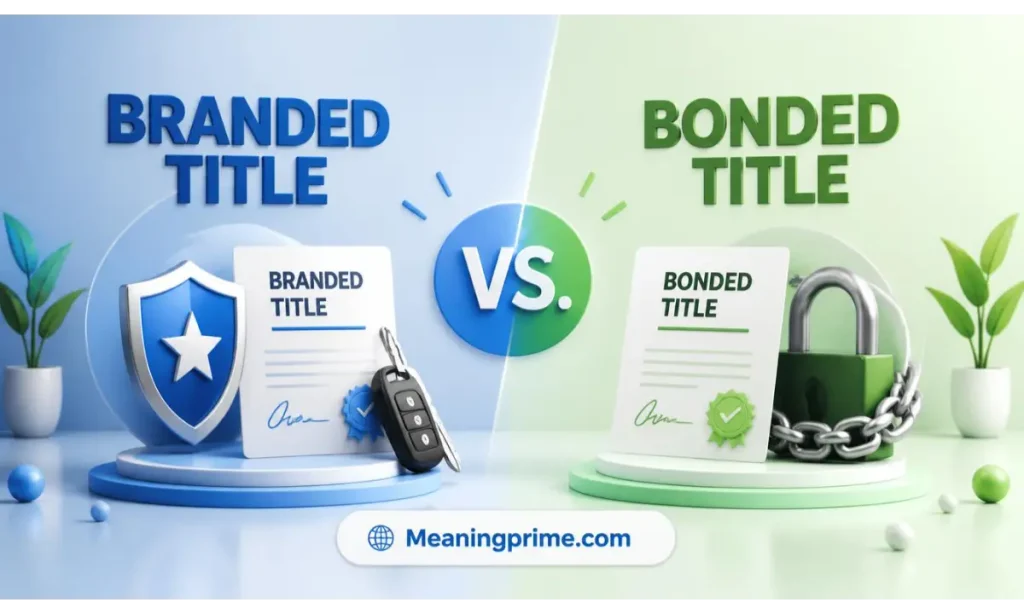
These two sound alike. They solve different problems. A bonded title typically appears when ownership paperwork is missing. The owner buys a surety bond that protects anyone who might later claim the vehicle. Bond amounts and waiting periods vary by state.
A branded title tells you about the car’s past. A bonded title tells you about its paperwork. Keep that straight and the branded title meaning won’t trip you up. A car can carry both, although that’s rare.
Does a Branded Title Affect Insurance?
Yes, often. Many insurers will write liability coverage on a branded-title car. Far fewer offer full collision and comprehensive. Premiums can run higher too. Insurance is where the branded title meaning gets real.
Call your insurer with the VIN before you buy. Ask what coverage they’ll write. Ask how they’d value the car after a total loss.
Financing and Loans
Lenders feel the same way. Most mainstream banks and credit unions won’t finance salvage or rebuilt titles. You’ll likely need cash or a specialty lender. Build that into your math. It’s a practical side of the branded title meaning that sellers rarely mention.
How Much Does a Branded Title Lower a Car’s Value?
A lot, though the amount varies. Sources quote very different percentages. No single number fits every car. Brand type, repair quality, and local demand all matter. Salvage and flood brands usually hurt most. Rebuilt cars land somewhere in between.
The safest move is to compare the car with a clean-title twin. If the discount looks small, ask why. Resale is the quiet cost hiding inside the branded title meaning.
Pros and Cons of Buying a Branded Title Car
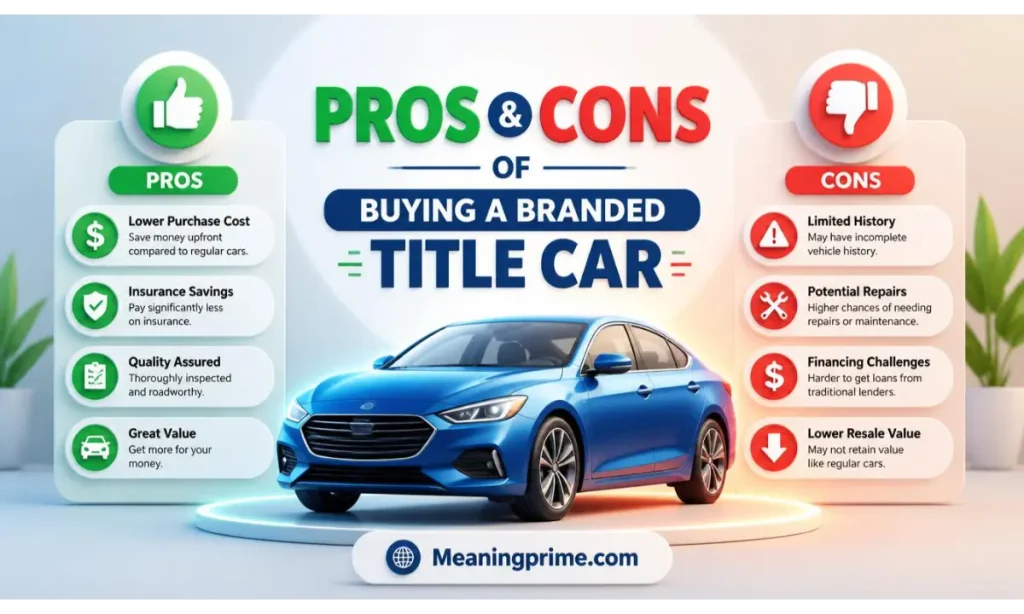
Weigh the branded title meaning against your budget and your skills. Some buyers win here. Others lose big.
Pros
- Lower purchase price
- Can suit skilled mechanics who know what to inspect
- A well-repaired car may drive perfectly
Cons
- Harder to insure and finance
- Weaker resale value
- Possible hidden damage
- Disclosure duties when you sell
Branded Title Cars for Sale: What to Check Before You Buy
Browsing branded title cars for sale? Treat each listing as a starting point, not a verdict. A cheap price should trigger more checking, not less. Run through this list, and apply the branded title meaning to every car you consider.
- Ask for a photo of the title and the VIN before you visit.
- Run an NMVTIS-based history report from an approved provider.
- Compare the report with the paper title. Any mismatch is a red flag.
- Ask for repair invoices and photos of the original damage.
- Hire an independent mechanic to inspect the frame, electronics, and airbags.
- Call your insurer with the VIN before you hand over money.
- Confirm your state’s registration rules for that brand.
How to Verify a Title Brand
Pull an NMVTIS-based report. NMVTIS keeps title brands on record permanently, which defeats most title-washing attempts. Layer a Carfax or AutoCheck report on top for accident and service details. Any report beats guessing the branded title meaning from a tired old title.
What Is Title Washing?
Title washing is illegal. A seller moves a branded vehicle to a state with weaker rules. That state issues a fresh title that may leave out the brand. The buyer pays clean-title prices for a damaged car. It’s the sneakiest threat to the branded title meaning. Printed paperwork alone can’t protect you. A history report can.
Selling a Branded Title Vehicle
Disclose everything. Many states require it. Colorado makes sellers sign a disclosure statement. Texas requires the right salvage or nonrepairable title before a transfer. Honesty also protects you from fraud claims. Price the car fairly. Smart buyers understand the branded title meaning, so they’ll check anyway.
Can a Branded Title Be Removed?
No. Brands are permanent and follow the VIN across states and owners. A rebuilt brand replaces a salvage brand after inspection. It doesn’t erase history. Anyone who promises to “clean” a title is describing title washing. Walk away. That permanence is the final piece of the branded title meaning.
Common Misunderstandings About Branded Titles
Confusion around the branded title meaning is everywhere. These myths come up most:
- “Branded means unsafe.” Not always. Repair quality matters. The history still deserves a close inspection.
- “Branded equals salvage.” No. Salvage is just one type.
- “Rebuilt is as good as new.” It may be mechanically sound. The market still values it lower.
- “A clean title means a clean history.” Not always. Title washing exists.
- “I can fix the brand later.” You can’t.
Related Terms at a Glance
Glossary fans, this one’s for you. These terms orbit the branded title meaning.
| Term | Plain-English meaning |
|---|---|
| Clean title | A title with no brand on record |
| Title brand | An official label that flags major past damage or problems |
| Total loss | An insurer’s decision that repairs cost too much compared with the car’s value |
| Salvage title | Brand for a total-loss vehicle not yet repaired and inspected |
| Rebuilt title | Brand for a repaired salvage vehicle that passed inspection |
| Title washing | Illegal retitling to hide a brand |
| Bonded title | A title issued with a surety bond when ownership papers are missing |
| NAM | “Not actual mileage,” an odometer-related brand |
| Unladen weight | The weight of an empty vehicle with no passengers or cargo. It’s a weight spec, not a title brand. |
Frequently Asked Questions
What does it mean if it’s a branded title?
It means a state DMV permanently labeled the title because of major past damage or problems. That’s the branded title meaning in one sentence.
Is branded the same as salvage?
No. Salvage is one type of brand. Others include rebuilt, flood, junk, lemon, and odometer brands.
Is a branded title car safe to drive?
It depends on the damage and the repair quality. A brand signals risk, not automatic danger. Get an independent inspection before you buy.
Can you register a car with a branded title?
Often yes, if it’s rebuilt and has passed your state’s inspection. Salvage and nonrepairable vehicles usually can’t be registered. Check with your DMV.
What does NAM mean on a title?
NAM means “not actual mileage.” It warns that the odometer reading may not be accurate. That’s one more part of the branded title meaning.
Conclusion
The branded title meaning comes down to one idea: a permanent record of serious trouble. That record works in your favor. It tells you what happened before you hand over any cash.
A branded title isn’t always a dealbreaker. Verify the brand, run a history report, call your insurer, and inspect the car. Do that and the branded title meaning becomes a tool instead of a trap.